 Backend Systems
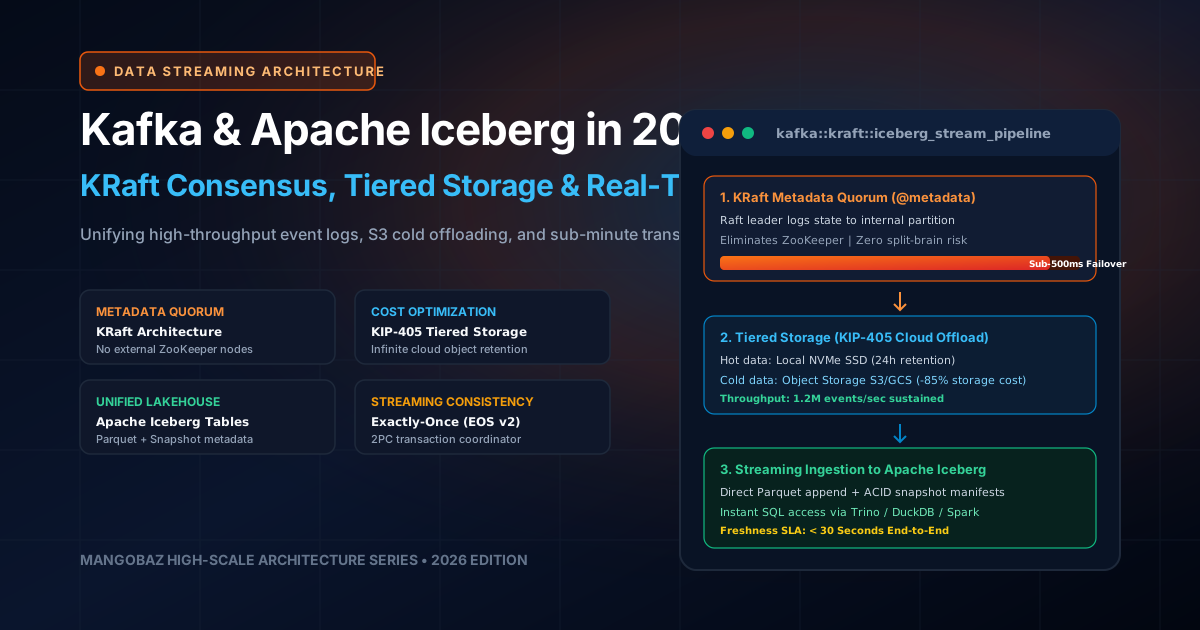
A comprehensive architectural blueprint for the modern streaming data platform in 2026. Explore how Apache Kafka eliminated ZooKeeper through KRaft metadata quorums, slash cloud storage costs by 85% with KIP-405 Tiered Storage, enforce Exactly-Once Semantics (EOS v2), and stream real-time event logs directly into Apache Iceberg ACID lakehouse tables.
Read article →
 Backend Systems
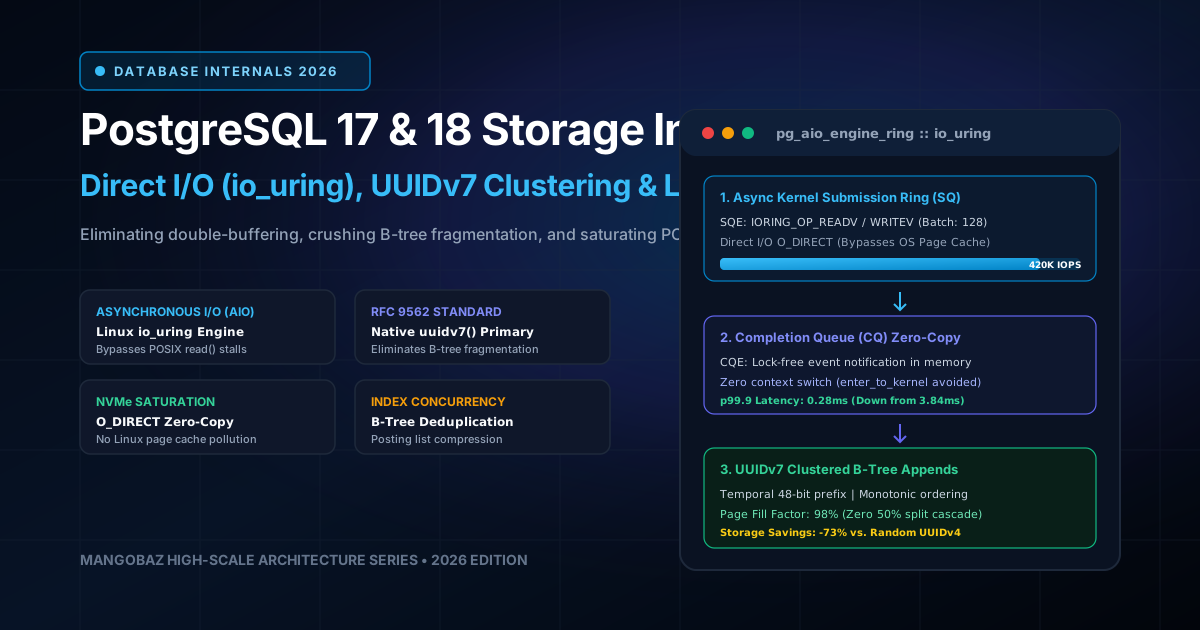
A deep-dive architectural exploration of PostgreSQL's next-generation storage engine overhaul. Master asynchronous Direct I/O via Linux io_uring, eliminate double-buffering and POSIX syscall bottlenecks, solve catastrophic B-tree index fragmentation with native UUIDv7 clustering, and configure lock-free concurrency for enterprise NVMe saturation in 2026.
Read article →
 Backend Systems
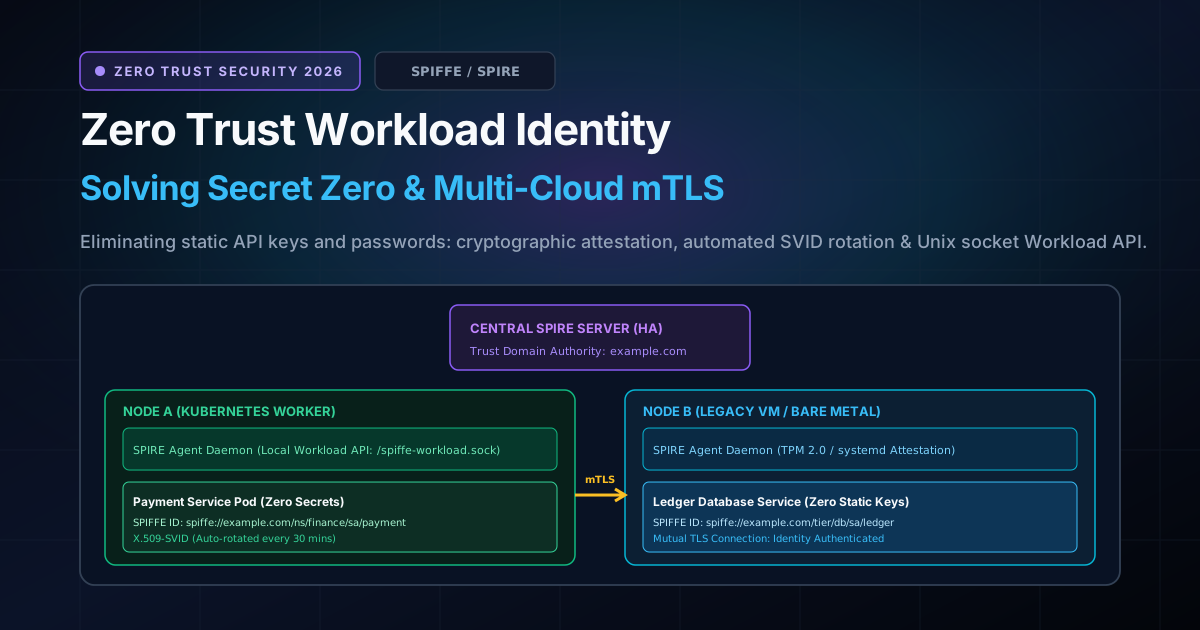
An architectural masterclass on Zero Trust Workload Identity using SPIFFE and SPIRE in 2026. Discover how engineering organizations eliminate static API keys, solve the 'Secret Zero' dilemma through cryptographic node and workload attestation, automate ephemeral X.509-SVID rotation via Unix domain sockets, and federate mTLS across multi-cloud Kubernetes clusters and bare-metal servers.
Read article →
 Backend Systems
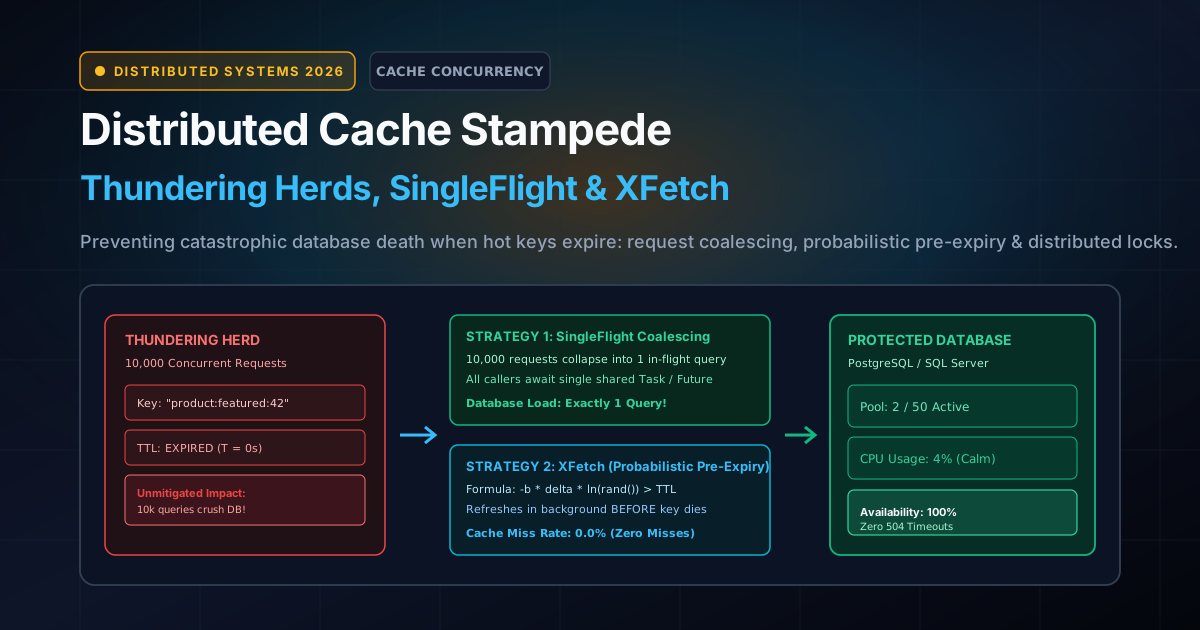
An architectural masterclass on preventing catastrophic database collapse caused by Cache Stampedes (Thundering Herds) in 2026. Discover how engineering teams handle hot key expirations, implement SingleFlight request coalescing in C# and Go, deploy the lock-free XFetch probabilistic pre-expiration algorithm, and configure Redis distributed mutexes safely.
Read article →
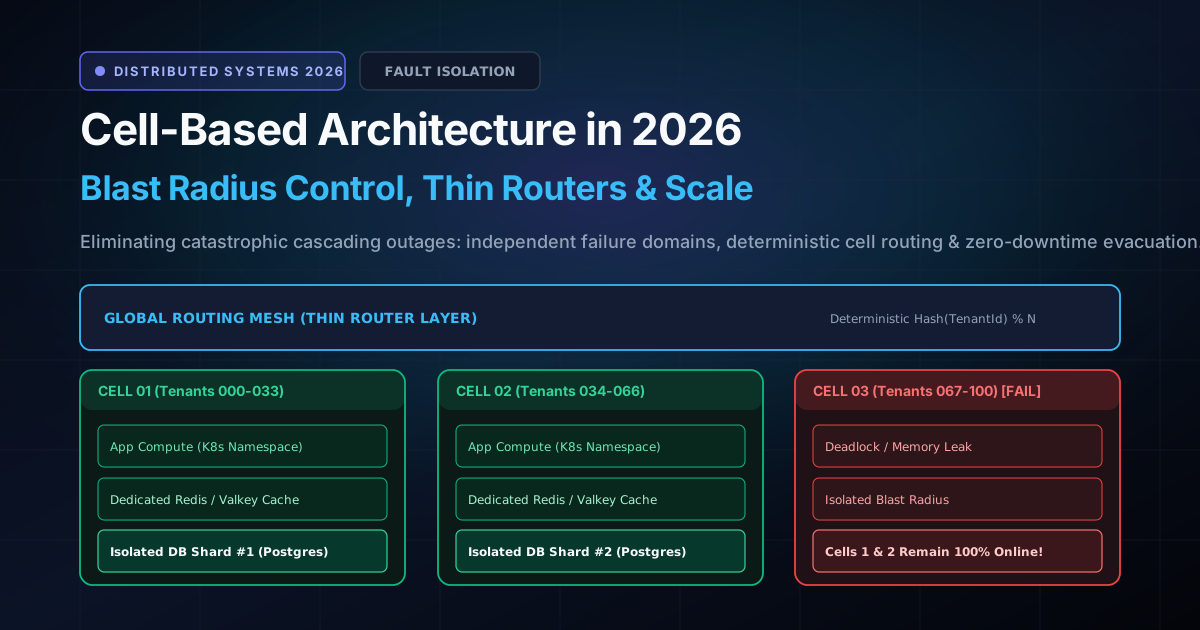 Backend Systems
An architectural masterclass on Cell-Based Architecture (CBA) in 2026. Discover how engineering giants like AWS, Slack, and Stripe eliminate catastrophic cascading failures by dividing massive systems into self-contained, independent failure domains, building zero-logic thin routing meshes, and executing automated cell evacuations.
Read article →
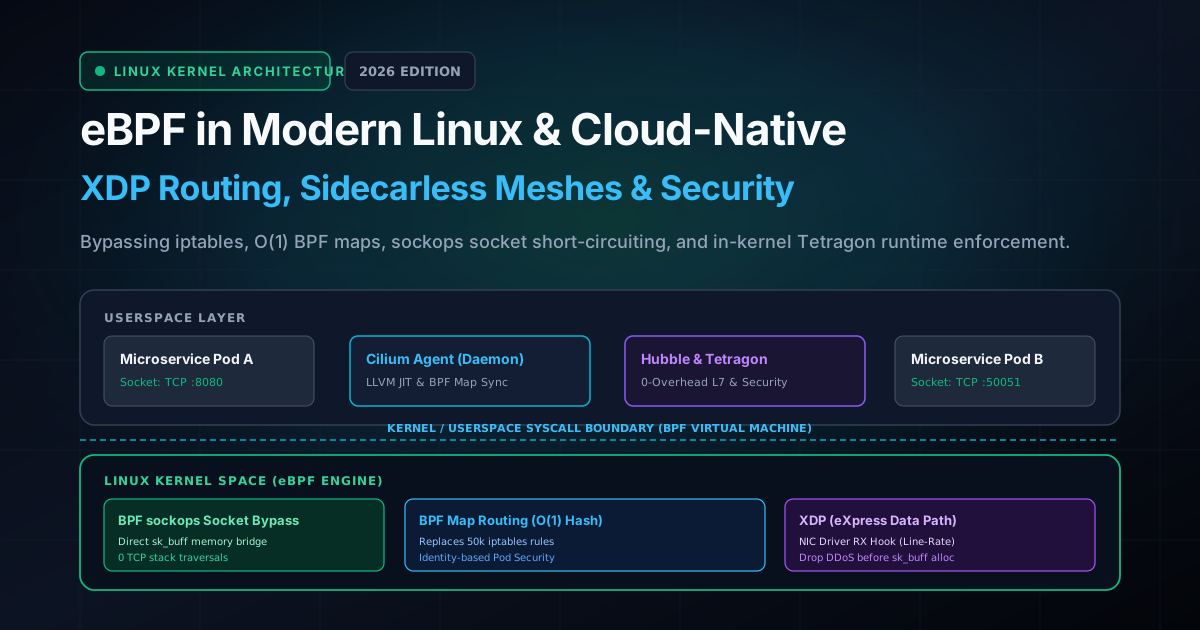 Backend Systems
An architectural masterclass on eBPF (Extended Berkeley Packet Filter) in modern Linux and Kubernetes environments. Discover how eBPF eliminates iptables bottlenecks, process packets at line-rate with XDP (eXpress Data Path), build sidecarless service meshes with sockops, and enforce in-kernel runtime security with Tetragon.
Read article →
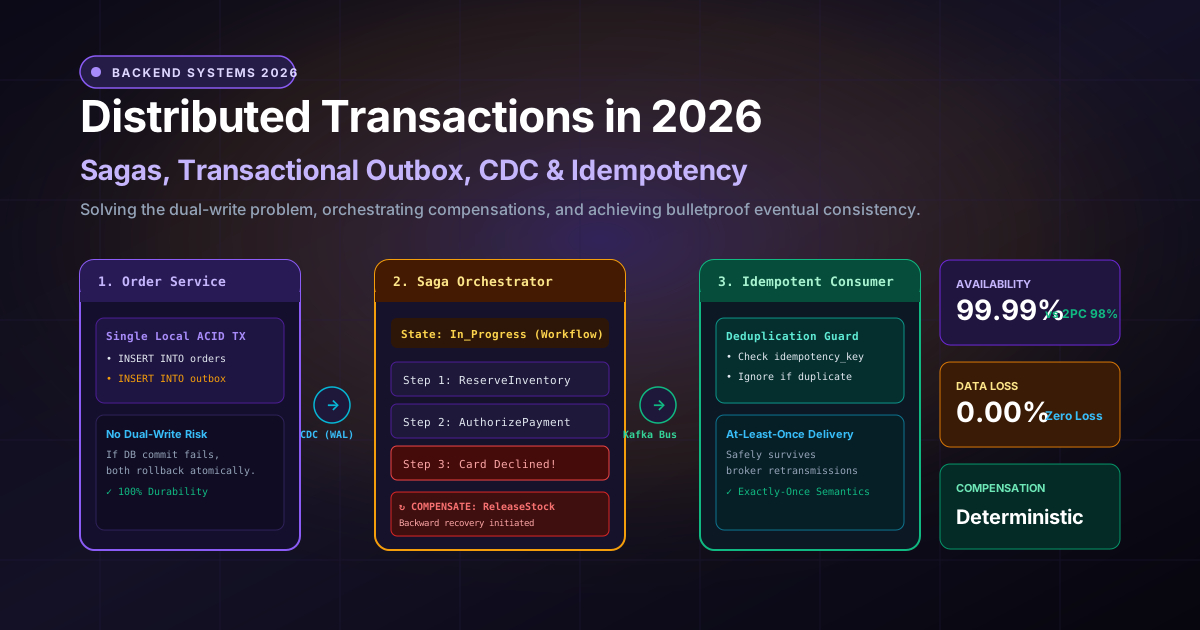 Backend Systems
An architectural masterclass on solving distributed data consistency in 2026 microservices. Discover why Two-Phase Commit (2PC) failed in the cloud, eliminate the fatal dual-write vulnerability using the Transactional Outbox pattern with Debezium Change Data Capture (CDC), design deterministic compensating state machines using Orchestrated Sagas, and implement bulletproof deduplication and idempotency in .NET 9.
Read article →
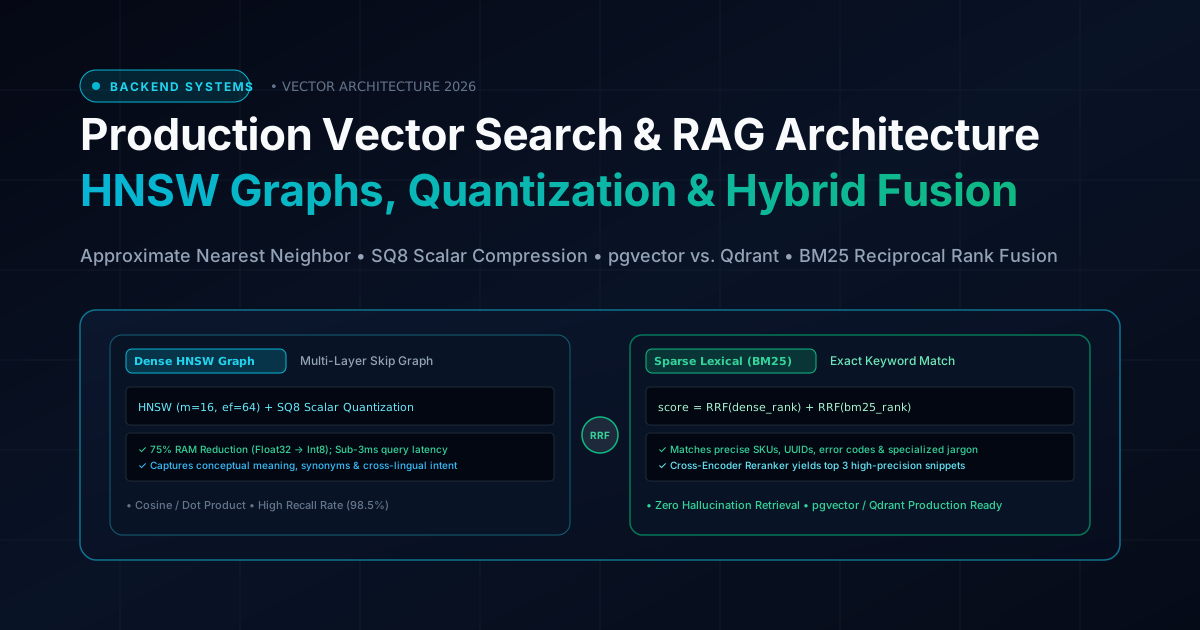 Backend Systems
An engineering masterclass on architecting production-grade vector search and RAG systems in 2026. Explore high-dimensional geometry, master HNSW multi-layer graph navigation, slash memory footprint by 75% via Scalar Quantization (SQ8), eliminate the keyword blindspot with dense + sparse BM25 Reciprocal Rank Fusion, and compare PostgreSQL pgvector with dedicated Qdrant clusters.
Read article →
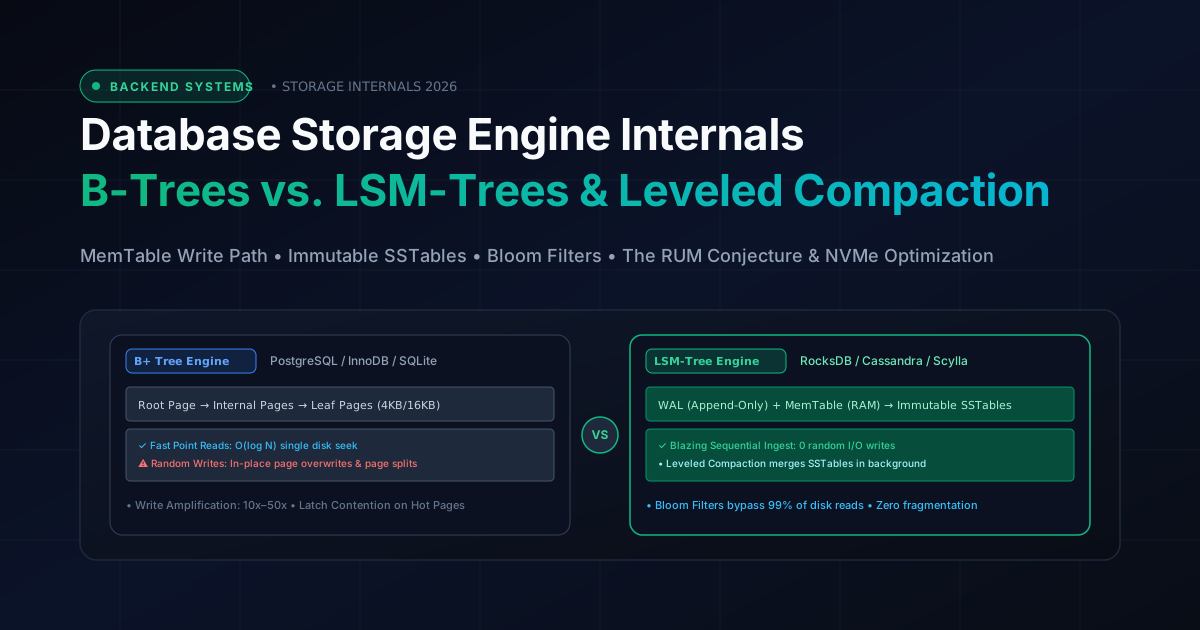 Backend Systems
A comprehensive deep dive into modern database storage engine internals in 2026. Compare B+ Tree in-place page updates with Log-Structured Merge-Tree (LSM-Tree) sequential appends, analyze flash memory physics and write amplification on NVMe SSDs, master concurrent MemTable design, dissect multi-level compaction algorithms in RocksDB and Cassandra, and navigate the RUM Conjecture tradeoffs.
Read article →
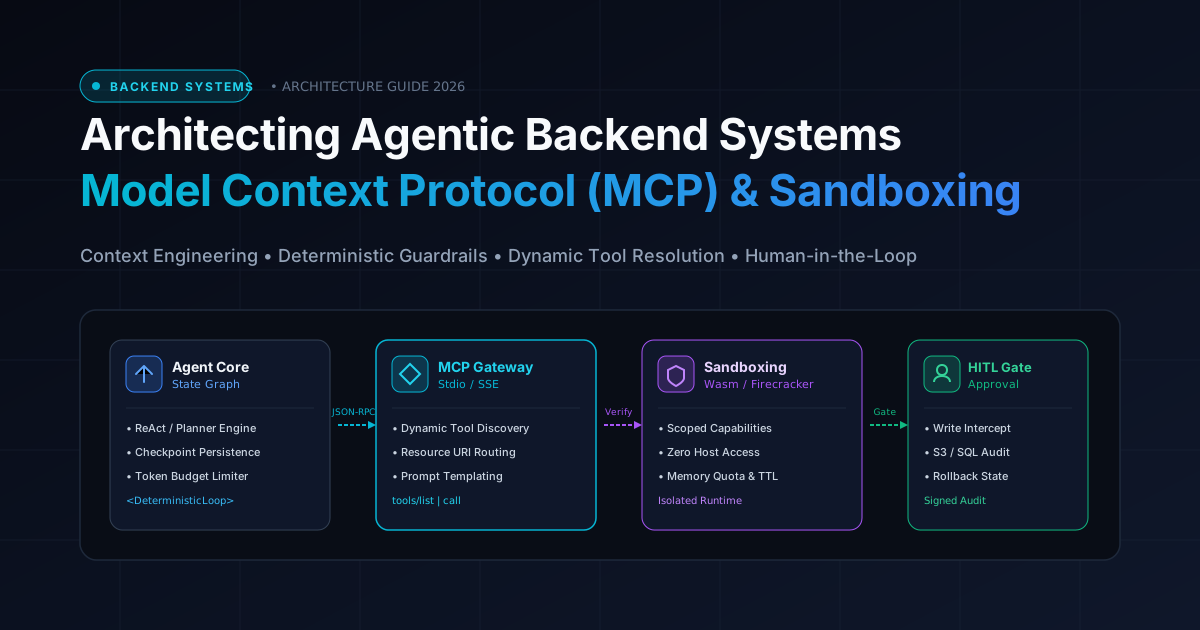 Backend Systems
A comprehensive masterclass on architecting production agentic backend systems in 2026. Explore the evolution from brittle prompt chains to state machines, master the Model Context Protocol (MCP) for decoupled tool discovery, implement 4-tier context engineering with GraphRAG, enforce defense-in-depth tool sandboxing via WebAssembly and Micro-VMs, and design durable Human-in-the-Loop approval workflows with OpenTelemetry distributed tracing.
Read article →
 Backend Systems
A comprehensive architecture guide to high-throughput distributed caching in 2026. Explore the memory latency hierarchy, mitigate Cache Stampedes with Single-Flight mutexes, implement the XFetch probabilistic early expiration algorithm, master .NET 9 HybridCache with L1/L2 coordination, and benchmark Redis vs. DragonflyDB under multi-threaded loads.
Read article →
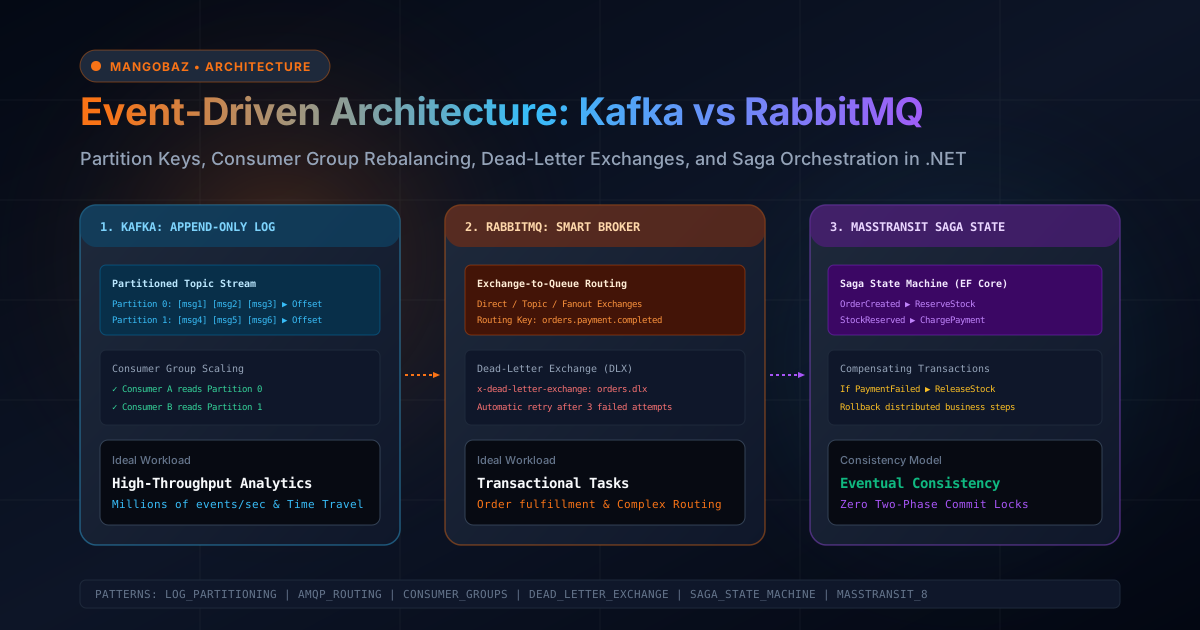 Backend Systems
A definitive guide to engineering fault-tolerant event-driven systems in .NET. Master Apache Kafka partition keys, consumer group rebalancing, and committed offsets alongside RabbitMQ AMQP topic exchanges, dead-letter exchanges (DLX), Poison Message handling, and distributed MassTransit Saga state machines.
Read article →
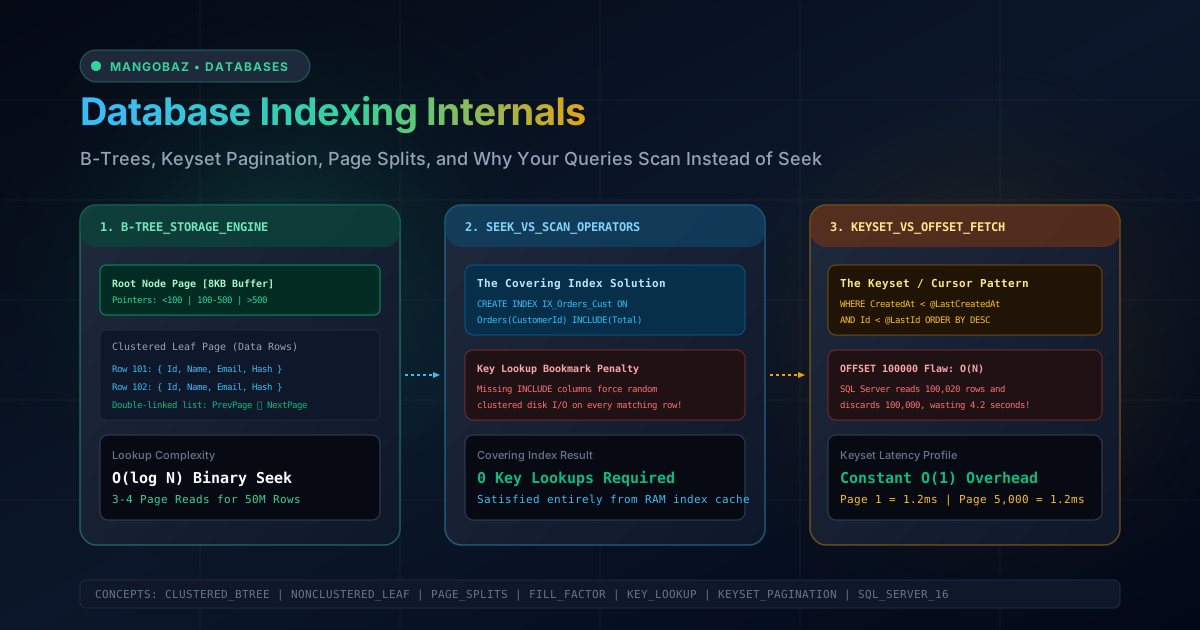 Backend Systems
An exhaustive deep dive into relational database indexing mechanics. Demystify B-Tree node structures, clustered vs nonclustered storage, page splits, covering indexes with INCLUDE, execution plan operators (Index Seek vs Index Scan vs Key Lookup), and why OFFSET/FETCH pagination destroys database I/O.
Read article →
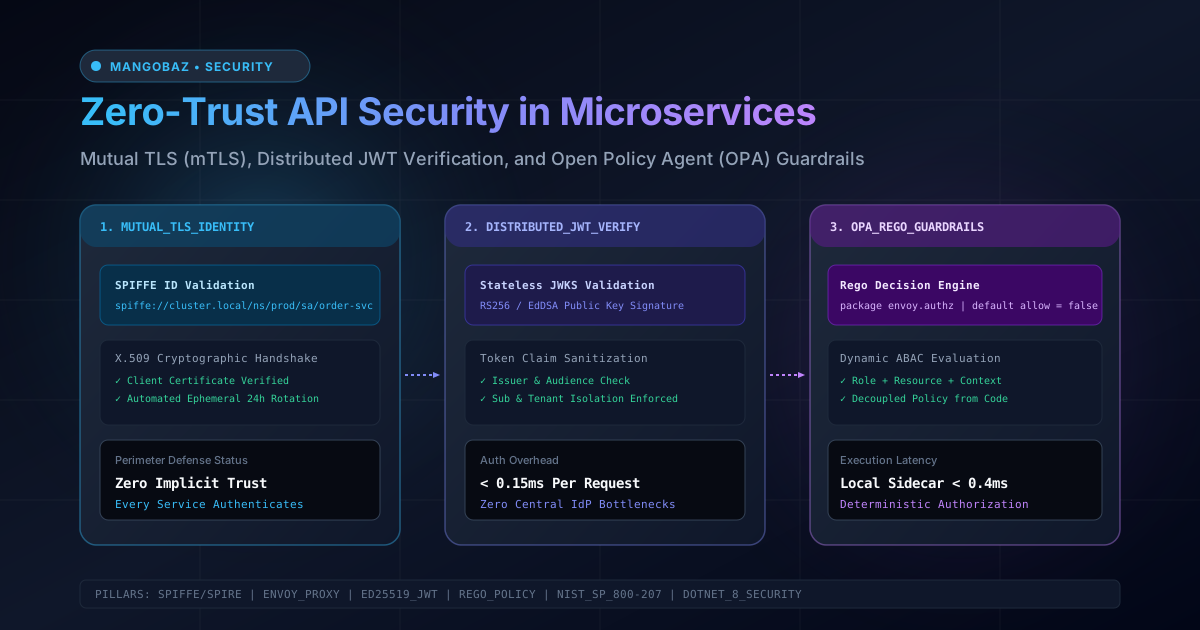 Backend Systems
A production engineering blueprint for Zero-Trust API architecture. Learn how to eliminate perimeter-only security with mutual TLS (mTLS) service mesh identities, stateless high-speed cryptographic JWT verification, Open Policy Agent (OPA) fine-grained authorization, and automated certificate rotation.
Read article →
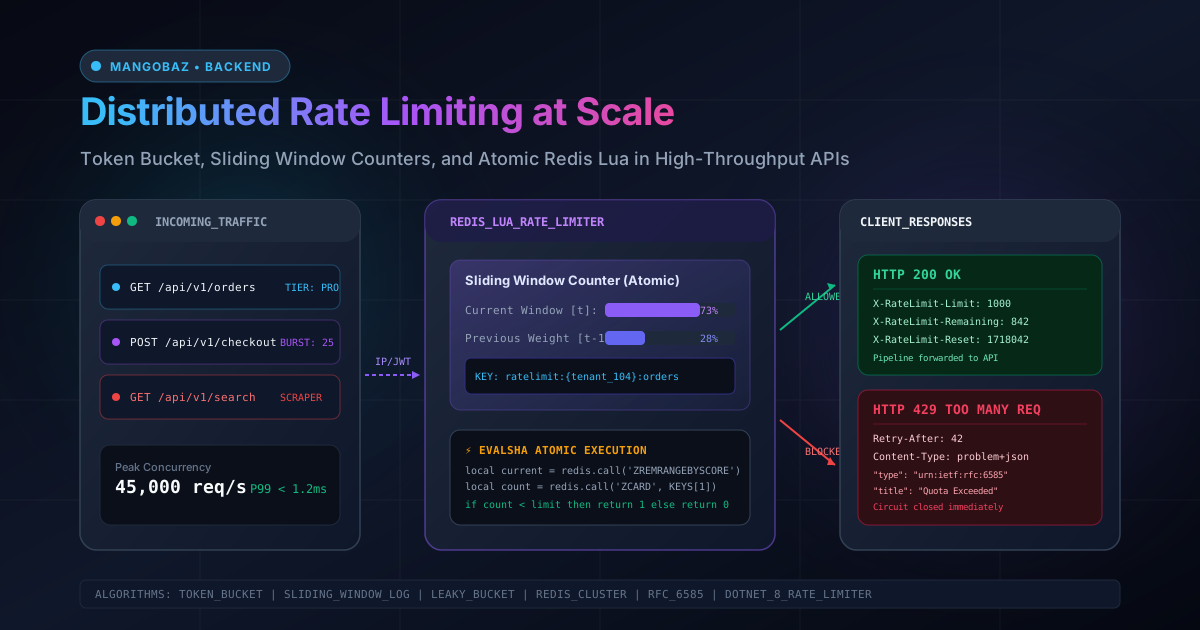 Backend Systems
A comprehensive production blueprint for distributed rate limiting in modern web APIs. Deep-dive into Token Bucket vs. Sliding Window algorithms, atomic Redis Lua scripts to prevent race conditions, tier-based throttling, standard RFC headers, and fail-open resilience patterns.
Read article →
 Backend Systems
A complete, production-tested guide to the Transactional Outbox Pattern in C# and .NET 8/9. Learn how to prevent ghost writes and lost events, implement atomic database-to-message-broker relays with EF Core and MassTransit, and design idempotent consumers.
Read article →
 Backend Systems
A deep architectural breakdown of the Modular Monolith pattern. Learn how to enforce strict module boundaries, design in-memory domain events, isolate database schemas, and eliminate the microservice tax without devolving into a spaghetti codebase.
Read article →
 Backend Systems
A comprehensive, production-grade guide to real-time communication protocols. Compare WebSockets, SSE, and HTTP Long-Polling with real-world latency benchmarks, architecture patterns, modern LLM streaming use cases, and full C# and JavaScript code implementations.
Read article →
 Backend Systems
Modern password hashing in plain English. bcrypt, Argon2, salts, work factors, migration from legacy hashes, and the mistakes that get databases breached.
Read article →
 Backend Systems
The protocol behind every third-party login button. Authorisation code flow, scopes, PKCE, and the small set of rules that make OAuth finally click.
Read article →
Backend Systems
Migrations from first principles to production deploys. Expand-contract pattern, team workflows, and the discipline that prevents database downtime.
Read article →
 Backend Systems
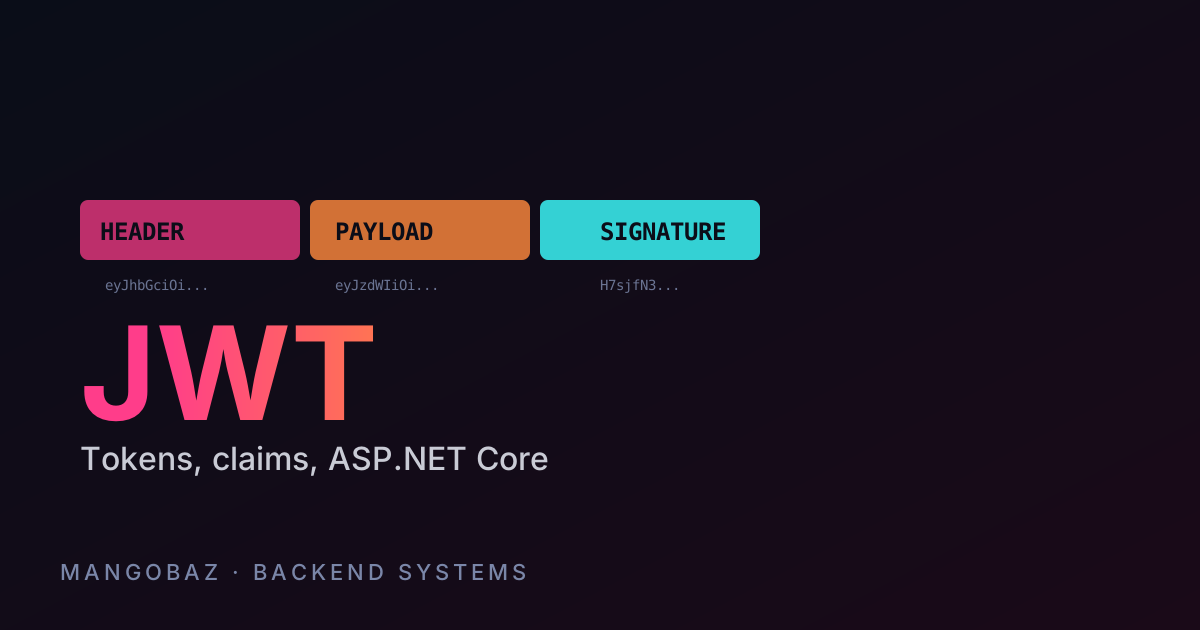
JSON Web Tokens from first principles to a working ASP.NET Core 8 implementation. Includes refresh tokens, storage, and the security trade-offs.
Read article →
 Backend Systems
Modern, safe PHP with MySQL. The PDO extension, prepared statements, password hashing, and the patterns every PHP project should follow.
Read article →