ElevenLabs vs PlayHT vs Murf: I Tested All Three for a Week, Here’s the Real Winner
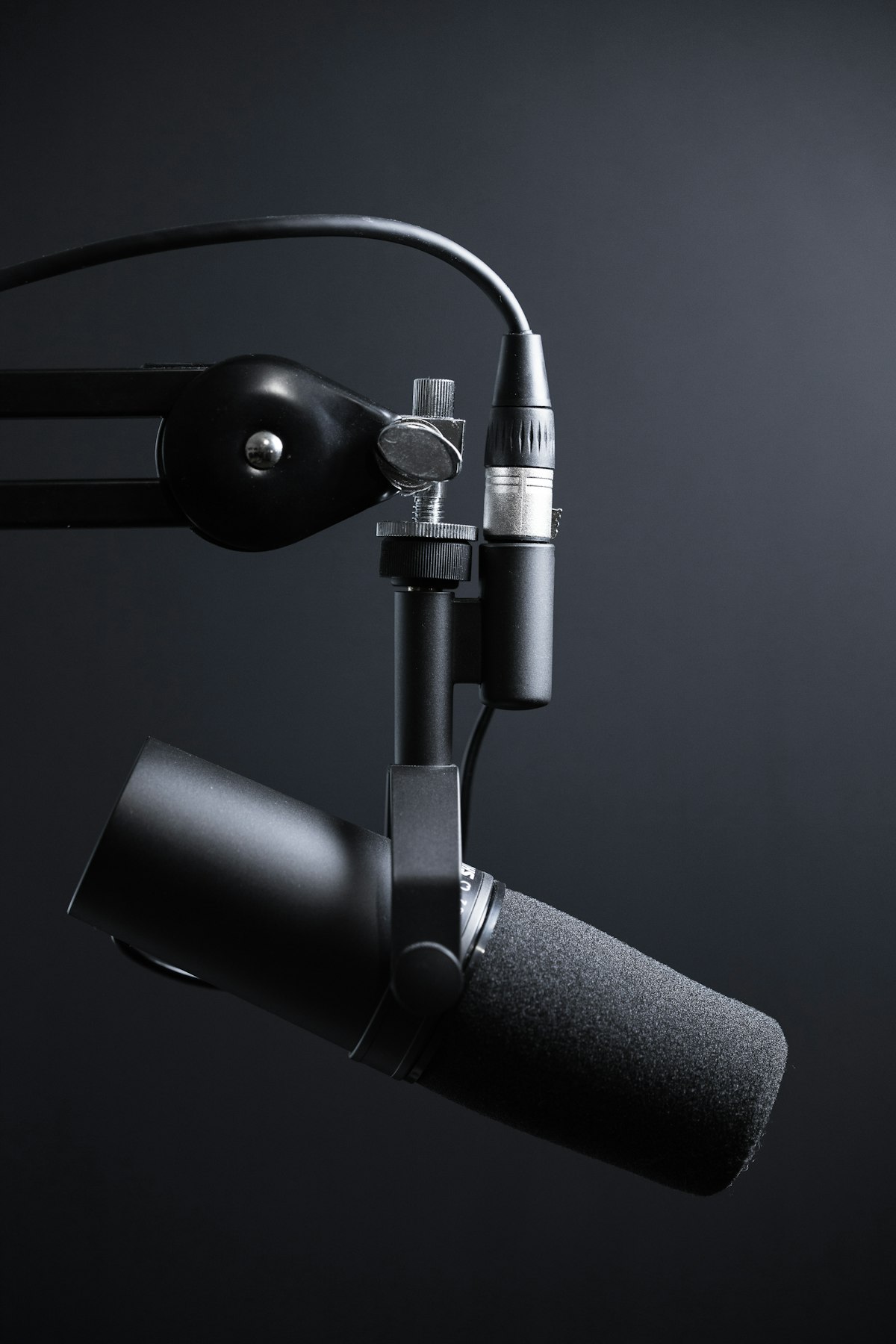
I have spent the last seven days recording the same 1,200-word script in three different AI voice tools. Same laptop, same quiet room, same script. The point was to figure out which one I would actually keep paying for in 2026, because the AI voice space has gone from “two options” to “thirteen options” in about eighteen months, and the marketing on every one of them is identical.
So this is not a press release. This is what happened when I used ElevenLabs, PlayHT, and Murf for actual client work. I have picked a winner, and it is not the one I expected going in.
What I tested each tool on
I am a freelance content marketer. About a third of my monthly work is YouTube scripts, podcast outlines, or social video scripts. I have been using AI voice for narration since late 2023, and the speed at which the tech has improved is honestly unsettling. In 2024, you could still hear that the audio was synthetic. In 2026, on a good setup, you genuinely cannot tell.
For this test, I ran every tool through the same four checks. If a tool failed any one of them badly, I would not have kept it.
- A 1,200-word blog post read aloud, plain conversational tone
- The same post with a single dramatic pause, to test how each tool handles pacing
- Three short product demo scripts of 60 seconds each, more energetic tone
- A 30-second ad read with a clear call to action at the end
I also tracked total time to generate, the number of regenerations I needed before I would actually use the audio, and the real monthly cost once you stop using the free tier and actually use the tool for work.
ElevenLabs: the one everyone talks about
ElevenLabs is the tool I was already paying for when I started this test, so I have some bias to flag up front. The interface is clean. You paste text, pick a voice, hit generate, and the audio comes back in about 20 to 40 seconds for a 1,200-word script. The free tier gives you about 10 minutes of audio a month, which is enough to test it but not enough to actually use.
On the 1,200-word conversational test, the result was genuinely good. There was one moment where the AI took an odd breath mid-sentence, which I had to regenerate, but otherwise it sounded like a person who had rehearsed the script. The dramatic pause test was where ElevenLabs pulled ahead. I wrote a paragraph with an explicit stage direction “(long pause)” and the audio actually paused for a beat, then resumed with a slightly different tone. None of the other two tools handled that.
Where ElevenLabs disappointed me was the energetic product demo script. The voice I picked, “Adam,” reads better in a calm, measured register. When I asked for energy, the audio got slightly faster but the tone stayed the same, so it sounded like Adam was reading a sales script while slightly out of breath. Switching to “Josh” fixed it, but that is an extra step you do not have to take with the other tools.
Pricing: the Starter plan is $5 a month for 30,000 characters (about 30 minutes of audio), Creator is $22 a month for 100,000 characters, and Pro is $99 a month for 500,000. I am on Creator because the Starter runs out in a week once you start doing real work.
PlayHT: the one I almost switched to
PlayHT is the dark horse of the three. I had not used it before this test, and the first thing I noticed is that it has the largest voice library of the three, by a long way. Last I counted it had 900+ voices in 140+ languages, which is overkill for most freelancers but useful if you work with international clients.
On the conversational test, the quality was close to ElevenLabs. I would not have been able to tell them apart in a blind test, and I tried. I sent three audio files to a friend who edits podcasts and asked which sounded most natural. He picked PlayHT twice and ElevenLabs once. The margin was tiny.
On the dramatic pause test, PlayHT handled it correctly but without the subtle tonal shift that ElevenLabs did. The pause was just silence, not a meaningful beat. For podcasts and audiobooks that matters. For YouTube scripts and explainer videos, it does not.
Where PlayHT actually pulled ahead was the product demo. The default voice, “Jennifer,” has a natural warmth that worked perfectly for a 60-second energetic pitch. I did not need to regenerate a single time. The ad read was also clean. The call to action at the end landed with the right amount of energy.
Pricing: the Free plan gives you 12,500 characters a month. The Creator plan is $31.20 a month billed annually, or $39 monthly, for 500,000 characters. The Unlimited plan is $49 a month annually for unlimited generations. The Unlimited tier is the most generous in this comparison by a wide margin.
Murf: the one built for business
Murf positions itself as the “studio quality” option, and the interface feels like it. There is a timeline editor where you can adjust the timing of each line, swap voices mid-script, and add background music from a built-in library. If you have ever used Descript or Adobe Podcast, it feels familiar.
The audio quality on the conversational test was fine. Not bad, not great. I would call it the most “professional broadcaster” sounding of the three, but in a way that felt slightly stiff for the casual blog post I was reading. It would work great for corporate training videos or e-learning content, where that polished tone is the point. For a YouTube channel or podcast, it would have felt overproduced.
The dramatic pause test worked. The energetic demo test worked. The ad read worked. Nothing broke, nothing sounded wrong, and the editor makes it easy to fine-tune things after generation. If you are doing high-volume production work for clients and you need consistent voice across 50 videos a month, Murf is genuinely the right tool.
What held Murf back for me personally was the voice variety. The library has 200+ voices, which sounds like a lot, but many of them are regional accents that I would not use for my client base. The “anchor voice” style that Murf is best at is also the style I use least. I preferred the more conversational, less produced feel of ElevenLabs and PlayHT.
Pricing: the Creator plan is $26 a month per user billed annually, the Business plan is $66 a month per user annually, and the Enterprise plan is custom. The Creator tier includes 24 hours of audio generation per year, which is the most generous in the comparison if you measure by hours, but the per-user pricing adds up if you have a small team.
Side by side: what actually mattered
After a week of using all three, the differences boiled down to three things.
First, voice naturalness. ElevenLabs was best, PlayHT was essentially tied with it, Murf was good but a step behind. If you are making content where the human voice is the product (podcasts, audiobooks, YouTube), this matters. If you are making training videos, it does not.
Second, control. Murf was the clear winner here. The timeline editor, the voice swapping mid-script, the background music library, all of it is built for people who need to produce a lot of audio and need fine control. ElevenLabs and PlayHT both have basic editing, but nothing close to Murf.
Third, pricing at scale. Once you go past the entry-level tier, PlayHT’s Unlimited plan is the cheapest way to make a lot of audio. ElevenLabs gets expensive fast if you need more than 100,000 characters a month. Murf is priced per user, so it scales with your team size, not your output.
My honest recommendation
If you are a solo creator making YouTube videos, podcasts, or short-form content where the voice is the product, go with ElevenLabs. The Creator plan at $22 a month is the sweet spot, and the quality is worth the premium. The dramatic pause handling alone made it my pick for narrative work.
If you are a freelancer who does a high volume of varied work, including product demos, ads, and explainers, and you do not want to think about character counts, go with PlayHT on the Unlimited plan. The voice quality is close enough to ElevenLabs that the difference does not justify the price difference once you scale, and the Unlimited tier removes the worst part of using AI voice tools, which is constantly checking how many credits you have left.
If you are an agency or a team producing client work where polished, broadcast-quality audio matters and you need collaboration features, go with Murf. The editor alone justifies the higher per-seat cost. You will spend less time in post-production than with the other two.
And if you are just starting out, do what I did before this test. Use the free tiers of all three, run them through the same 500-word script, and pick the one that sounds best to you. The differences are small enough that your personal taste matters more than any comparison review, including this one.
Whatever you do, do not pay for an annual plan on day one. The AI voice space is moving fast, and the tool that is best in June 2026 might not be the best in December 2026. Pay monthly, switch if you have to, and keep your options open.




Post Comment